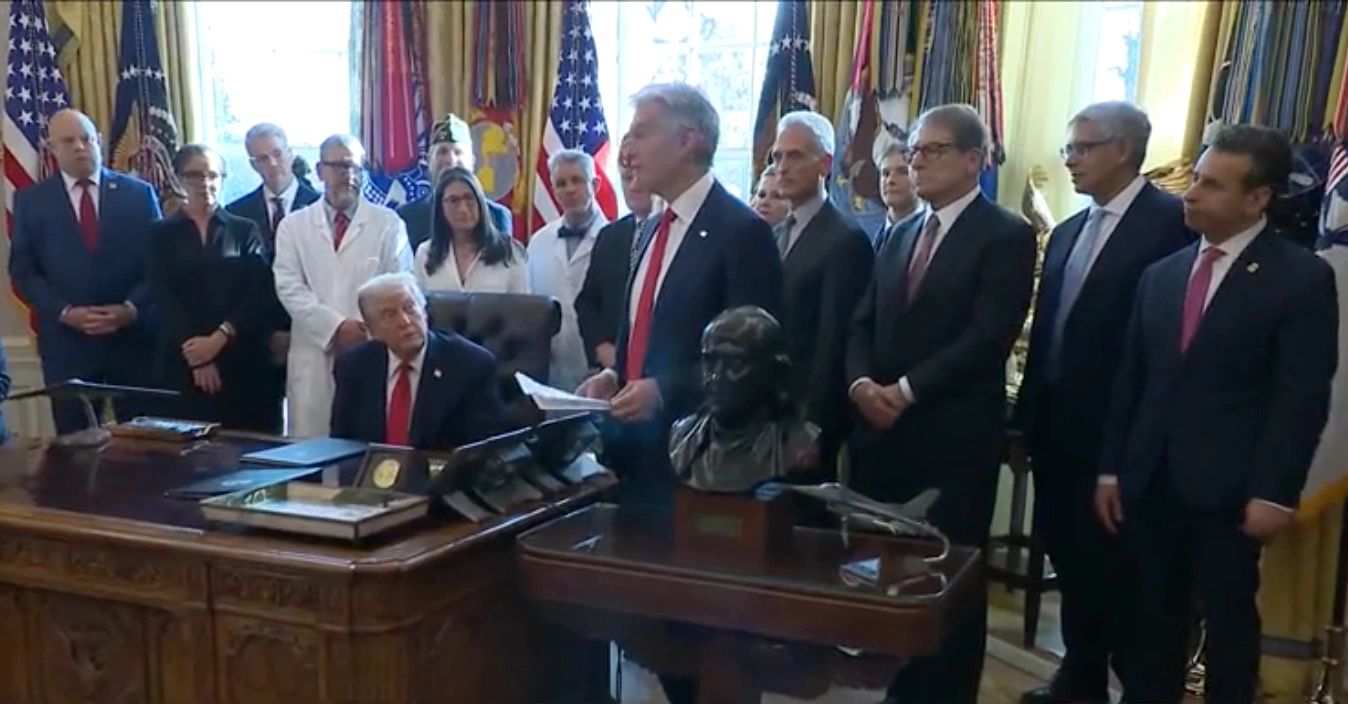
This afternoon, President Trump signed an executive order and announced a significant shift in cannabis policy: marijuana will be rescheduled from Schedule I to Schedule III under the federal Controlled Substances Act.
This is an important development, but it’s critical to understand what this change does and does not do.
Moving cannabis to Schedule III does not legalize marijuana at the federal level, nor does it change state cannabis laws. Cannabis remains illegal federally, and criminal penalties at both the federal and state level remain fully intact.
However, this change does represent long-overdue acknowledgment by the federal government that cannabis has accepted medical value and that the risks associated with cannabis have been dramatically overstated for decades.
While limited, rescheduling has two major practical implications:
- Expanded research opportunities
Schedule III status significantly reduces barriers to scientific research. Researchers will face fewer regulatory hurdles, making it easier to study cannabis’s medical benefits, risks, dosing, and interactions — research that has been suppressed for over 50 years due to prohibition.
- Tax relief for state-legal cannabis businesses
Rescheduling also means state-licensed marijuana businesses may now qualify for standard federal business tax deductions. Previously, Section 280E of the tax code barred these businesses from deducting ordinary expenses simply because cannabis was classified as Schedule I. This change could provide meaningful financial relief and stability for compliant operators.
Why this is good, but not great…
Let’s be clear: rescheduling alone does nothing to address the criminal penalties that have caused immense harm for generations. Arrests, prosecutions, incarceration, and lifelong collateral consequences remain unchanged despite decades of evidence showing prohibition has failed and disproportionately impacted marginalized communities.
This shift in federal policy is a step forward and progress is being made, but rescheduling alone does not resolve the harms of prohibition.
True reform means descheduling cannabis entirely, allowing states and the federal government to regulate cannabis based on public health, consumer safety, and accountability, not fear or stigma. Regulation works. Prohibition does not.
This moment creates new momentum, and new opportunity. We look forward to continuing to work with researchers, regulators, policymakers, advocates, and industry stakeholders to push for reforms that actually reduce harm, improve safety, and respect the will of the people.
Join us next month in Austin to continue the conversation!

Federal cannabis policy will be a major focus at the Texas Cannabis Policy Conference, taking place January 29–31, 2026, in Austin. We will host a CLE-accredited session dedicated to federal cannabis policy, featuring leading legal and policy experts unpacking what this shift means, and what still needs to happen next.
Early bird registration is still available! Register now to save and join us for in-depth, nonpartisan discussions on the future of cannabis policy in Texas and nationally: https://texascannabisconference.org/registration
Thank you for staying engaged. Progress rarely comes all at once, but together, we’ll keep pushing forward. I hope to see you at the policy conference!