2025 Legislative Recap: A Defining Year for Cannabis Policy in Texas
Tremendous advocacy efforts this year made THC policy one of the most hotly debated issues at the Capitol. Because they heard from their constituents, legislators (at least in the House) showed more curiosity and engagement than ever before. Committee members asked thoughtful questions, probed for real-world impacts, and demonstrated a growing understanding that cannabis policy is a pressing public issue—not a fringe debate.
The cannabis movement and community rallied, generating non-stop attention to this issue and mobilizing Texans to stand strong against Lt. Gov. Dan Patrick’s efforts to drag Texas back into an era of prohibition. And we won! (For now.)
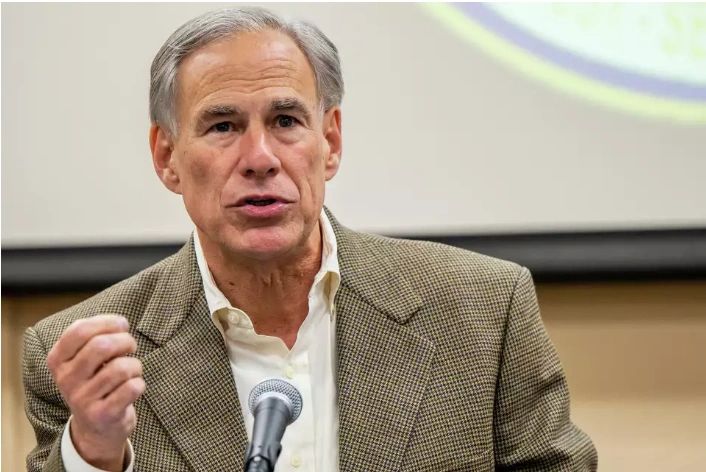
The original Senate Bill 3 proposed banning nearly all hemp-derived THC products. Despite overwhelming public opposition, the bill passed both chambers with bipartisan support. Advocates testified passionately, and thousands of Texans contacted their lawmakers to oppose prohibition. In a dramatic late-night decision, Gov. Greg Abbott vetoed SB 3. His reasoning was clear:
“Texas can and should reasonably regulate consumable hemp products to protect public health and safety without eliminating consumer access.”
This veto sent shock waves through the Capitol and beyond. The Governor’s action aligned with public opinion, which strongly favors regulation over prohibition.
Special Sessions: No Consensus
Gov. Abbott called not one, but two special sessions to give lawmakers another chance to address hemp regulation. Despite heated debate, legislators failed to reach consensus. Other than the vape sales ban, hemp policy remains status quo for now.
While avoiding prohibition was a victory, Dan Patrick’s stubborn, all-or-nothing position means we’ve missed the opportunity to enact common-sense safeguards such as:
- Minimum purchase age of 21
- Child-resistant packaging requirements
- Restrictions on youth-oriented marketing
Without these guardrails, minors technically retain legal access to THC products—a gap that must be closed. While many have already instituted this internal standard, we call on all hemp businesses to enact their own policies to only sell THC to adults 21+.
September 1: Ban on Cannabinoid Vape Sales
Separate from HB 46, another major change is coming to Texas law. Beginning September 1, 2025, Senate Bill 2024 will go into effect, increasing penalties and expanding prohibitions on the marketing and sales of e-cigarettes—including an outright ban on the sale of vape devices or products containing any cannabinoids.
Important notes:
- TCUP Exception: Vape devices approved for use under the Compassionate Use Program are exempt.
- Possession Not Criminalized: The law bans retail sales but does not criminalize possession of cannabinoid vape devices if the contents themselves are legal.
- Legal Challenge Likely: Given its sweeping scope, this new law is expected to face challenges in court.
Compassionate Use Program Expansion
One of the most significant legislative outcome of 2025 was the expansion of the Texas Compassionate Use Program (TCUP) under House Bill 46. The bill added new qualifying medical conditions, expanded product options to include devices for pulmonary inhalation, and authorized additional licensees to participate in the program. Businesses may now also operate satellite dispensary locations, improving geographic access for patients across the state.
While this expansion represents important progress, the program remains deeply flawed. Licensing fees remain outrageously high, shutting out smaller operators. More critically, Texas law still fails to protect patients from negative consequences in areas like employment, parental rights, probation, and firearm ownership. These gaps undermine the very purpose of the program, leaving patients vulnerable even while they follow the law.
Securing patient protections will be at the top of the agenda when lawmakers reconvene in January 2027.
Rule-making Underway: DPS and DSHS
Implementation of HB 46 now falls to the regulators, and rule-making is already underway.
- DPS Proposed Rules The Department of Public Safety has issued rules governing future license applications, new security standards for satellite dispensary locations, and conditions for license suspension or revocation. These rules have been published in the Texas Register and are open for public comment. Learn more here.
- DSHS Proposed Rules The Department of State Health Services has proposed regulations that will define how physicians can petition to add qualifying medical conditions, set standards for pulmonary inhalation devices prescribed under TCUP, and establish a clear timeline for reviewing and approving new medical device applications.
All new rules must be finalized and adopted by October 1, 2025. Texans have a critical window of opportunity to submit comments and help shape the future of the program.
Looking Ahead to 2027
The events of 2025 show both the progress and the challenges ahead for cannabis reform in Texas.
- Patients need protection. No Texan enrolled in TCUP should face discrimination at work, risk losing custody of their children, be punished while on probation, or lose their Second Amendment rights for following medical advice.
- Hemp requires responsible regulation. Age restrictions, packaging rules, and marketing standards are long overdue. Texans deserve safe access, not prohibition.
- Advocates remain essential. The veto of SB 3, the expansion of TCUP, and the growing sophistication of committee discussions all happened because Texans made their voices heard.
The Legislature will not meet again until January 2027, but the work continues. In just over a year, legislation can be filed by lawmakers. We need to be ready to hit the ground running! Advocates, patients, industry leaders, and lawmakers must use this interim period to prepare. The stakes could not be higher: protecting patients, ensuring consumer safety, and defending economic opportunity in Texas.
2026 Political Timeline and Opportunities for Grassroots Engagement
January - Policy Conference
March - Primary Elections
June - Political Party Conventions
November - General Election, Pre-filing for the 90th Texas Legislative Session
January - 90th Legislative Session Begins